Understanding Cushing’s Disease in Dogs: Early Signs Pet Owners Miss
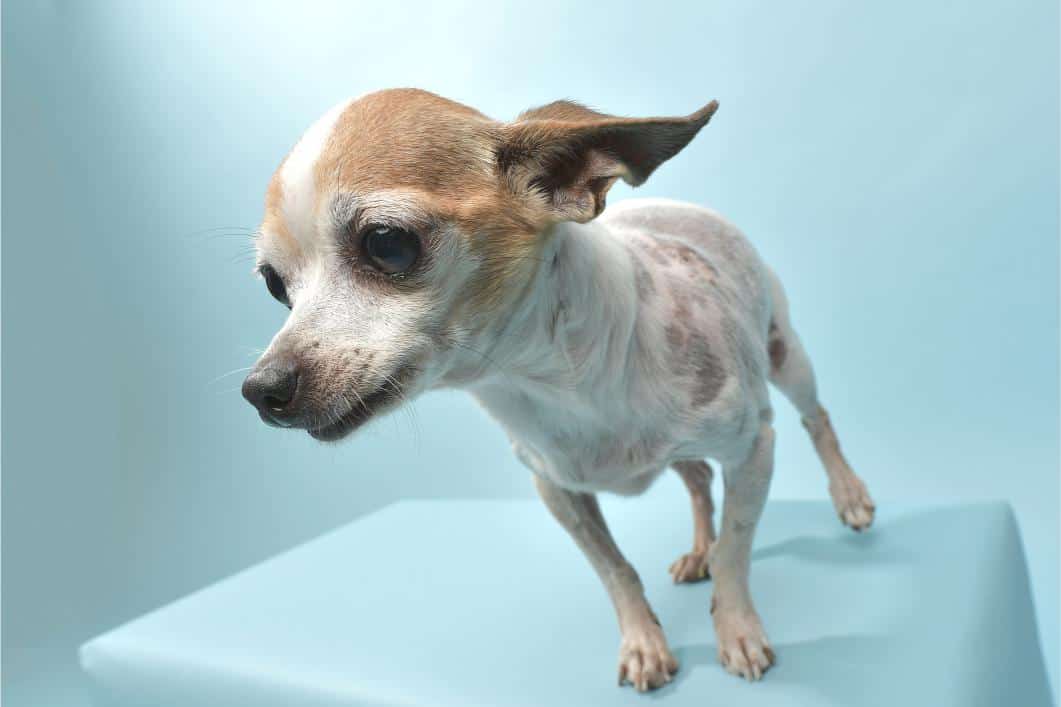
Is your dog asking to go outside more often, emptying the water bowl faster than usual, or acting a little less energetic than before? While many pet owners might chalk these changes up to the aging process, they can sometimes point to an underlying condition known as Cushing’s disease in dogs.
With early diagnosis and proper management, many dogs with Cushing’s disease continue to live happy, comfortable lives. Recognizing the signs early can help your veterinarian develop a treatment plan that keeps your furry friend feeling their best.
What Is Cushing’s Disease?
Cushing’s disease is a common dog hormone disease caused by excessive production of cortisol, often called the body’s “stress hormone.” Cortisol plays an important role in many normal bodily functions, but too much cortisol can have a negative effect on nearly every organ system.
Cushing’s disease most often occurs in middle-aged and senior dogs and typically develops gradually, making the symptoms easy to overlook.
Subtle Signs Owners Often Miss
Symptoms of Cushing’s disease can develop slowly, making them easy to overlook until they become severe.
Watch for these signs:
- Increased thirst
- Increased urination
- Increased appetite
- Panting more than usual
- Reduced energy levels
- A pot-bellied appearance
- Hair loss or thinning coat
- Recurring skin infections
- Muscle weakness
Water Bowl Warning Signs
One of the earliest signs is a dog drinking more water and needing more frequent potty breaks. Excessive thirst should never be ignored. If you’re constantly refilling the water bowl, your dog starts having accidents in the house, or your dog suddenly wakes up overnight to urinate, it’s worth calling your veterinarian.
Why Early Diagnosis Matters
Left untreated, Cushing’s disease increases your dog’s risk of:
- Diabetes
- High blood pressure
- Recurrent infections
- Muscle loss
- Reduced quality of life
Living Well with Cushing’s Disease
Hearing that your dog has a chronic condition can feel overwhelming, but many dogs respond very well to treatment and continue to enjoy walks, playtime, and family adventures for years.
Managing Cushing’s disease typically includes a combination of the following:
- Routine bloodwork and monitoring
- Prescription medications
- Regular veterinary checkups
- Managing secondary conditions
- Monitoring appetite and water intake
- Maintaining a healthy weight
Small Changes Can Tell a Big Story
Dogs can’t tell us when something feels different, but they often communicate through subtle changes in behavior. If you’ve noticed your dog drinking more water, asking to go outside more often, or showing other unusual changes, don’t assume it’s just old age.
At Rocklin Ranch Veterinary Hospital & Urgent Care, our team understands that early signs of Cushing’s disease in dogs can be easy to miss. A thorough evaluation can help determine whether a dog hormone disease is affecting your pet and uncover treatment options that can help your canine companion continue to enjoy a happy, active life. Please contact us if you have any questions or concerns about your dog’s health.