Bad Breath in Dogs: When It’s More Than Just Dirty Teeth
Most dogs aren’t known for their minty-fresh kisses. Still, consistently foul breath isn’t something pet owners should dismiss as “just dog breath.”
At Rocklin Ranch Veterinary Hospital & Urgent Care in Rocklin, California, we encourage families to treat changes in breath as a possible health clue. The problem may begin with plaque and tartar, but it can also signal painful dental disease or another condition that needs veterinary attention.
Why Does My Dog’s Breath Smell So Bad?
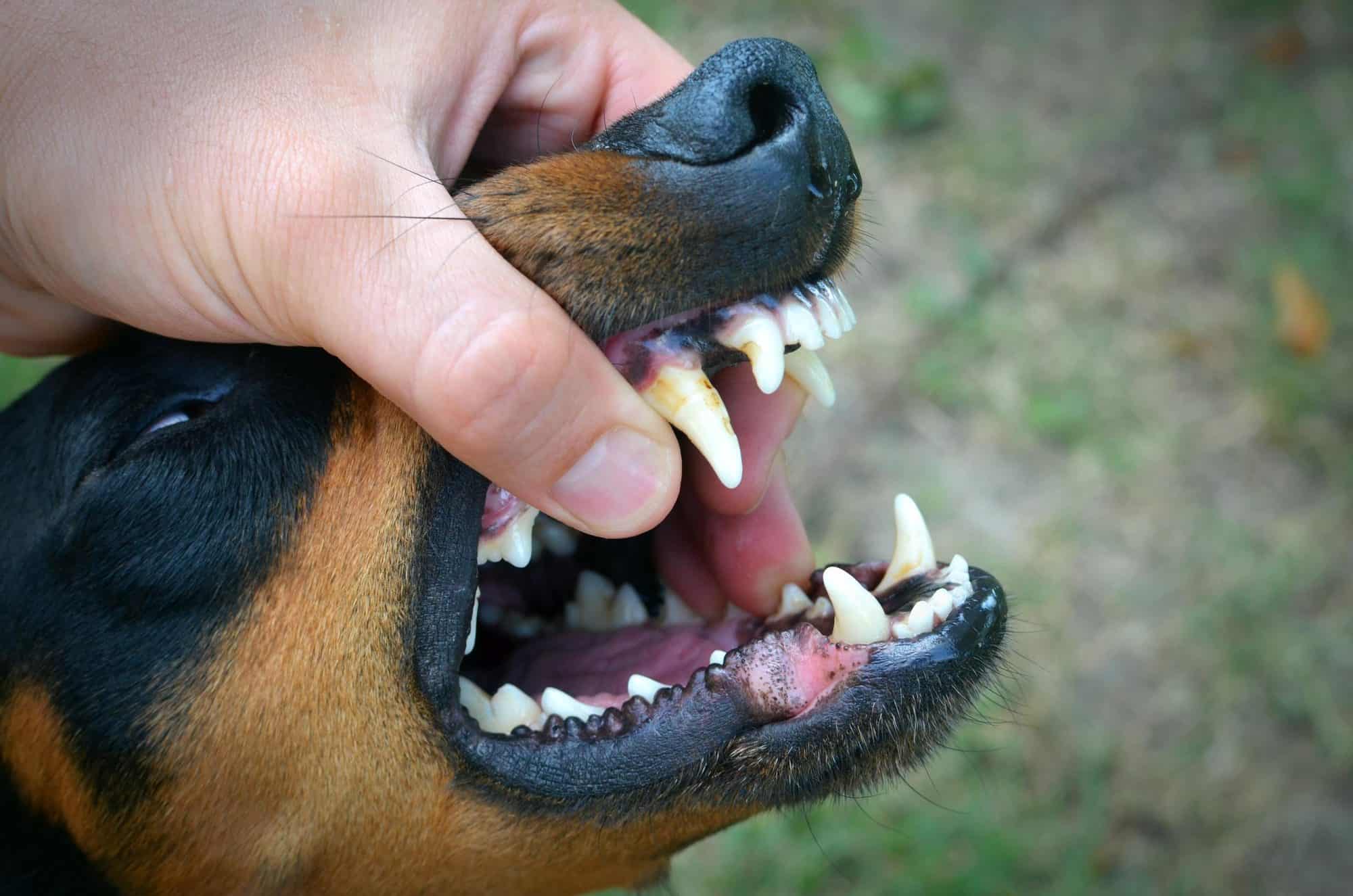
One of the most common dog bad breath causes is bacteria accumulating along and below the gumline. Plaque develops when bacteria combine with food particles and saliva. Without regular removal, it can harden into tartar and contribute to inflammation, infection, and damage to the structures supporting the teeth.
Dog dental disease can progress quietly. Many dogs continue eating and playing even when their mouths hurt, so bad breath may be one of the first changes you notice.
Other possible causes of unpleasant breath include:
- A broken, infected, or abscessed tooth
- An object lodged between the teeth or in the mouth
- Oral sores, injuries, or growths
- Something unpleasant your dog ate
- Certain kidney, liver, or metabolic conditions
Unusual breath accompanied by other changes deserves prompt attention. A veterinary exam can help determine whether the odor starts in your dog’s mouth or is connected to another health concern.
Understanding Periodontal Disease in Dogs
Periodontal disease in dogs begins when plaque and bacteria cause inflammation around the gums. As the condition advances, infection and tissue damage can extend below the gumline, affecting tooth roots and the surrounding bone.
Signs may include:
- Red, swollen, or bleeding gums
- Yellow or brown tartar
- Loose, broken, or discolored teeth
- Dropping food or chewing on one side
- Pawing at the mouth
- Excessive drooling
- Reluctance to eat hard food
- Facial swelling
- Sensitivity around the head or mouth
Unfortunately, you can’t always judge the condition of a dog’s mouth by looking at the visible teeth. Much of the damage caused by periodontal disease occurs below the gumline. That’s why our team may recommend digital dental X-rays as part of a comprehensive evaluation.
How Oral Health Can Affect Overall Health
Dental care isn’t only about improving your dog’s breath or keeping those canine teeth camera-ready. Untreated oral disease can cause chronic pain, infection, tooth loss, and inflammation. Advanced periodontal disease may also affect a dog’s systemic health, making routine dental care an important part of long-term wellness.
A professional dental cleaning removes plaque and tartar both above and below the gumline. It also allows the veterinarian to examine each tooth closely and identify concerns that may not be visible during an awake exam. Depending on the findings, treatment could include cleaning, polishing, or extracting teeth that can’t be saved.
When Bad Breath Needs Prompt Veterinary Attention
Schedule an examination if your dog’s bad breath persists, worsens, or is accompanied by changes in eating or behaviour. Contact a veterinarian promptly if you notice facial swelling, significant bleeding, severe pain, difficulty eating, repeated vomiting, extreme lethargy, or a sudden, unusual odor to the breath.
Schedule Your Dog’s Dental Appointment
Rocklin Ranch Veterinary Hospital & Urgent Care can help uncover the reason behind your dog’s less-than-fresh breath. Book an appointment for a dental evaluation at our Plaza Drive location by calling (916) 624-7387 or our Pacific Street location at (916) 624-3322.