
Title: Why Is My Dog’s Nose Bleeding? Causes of Canine Nosebleeds
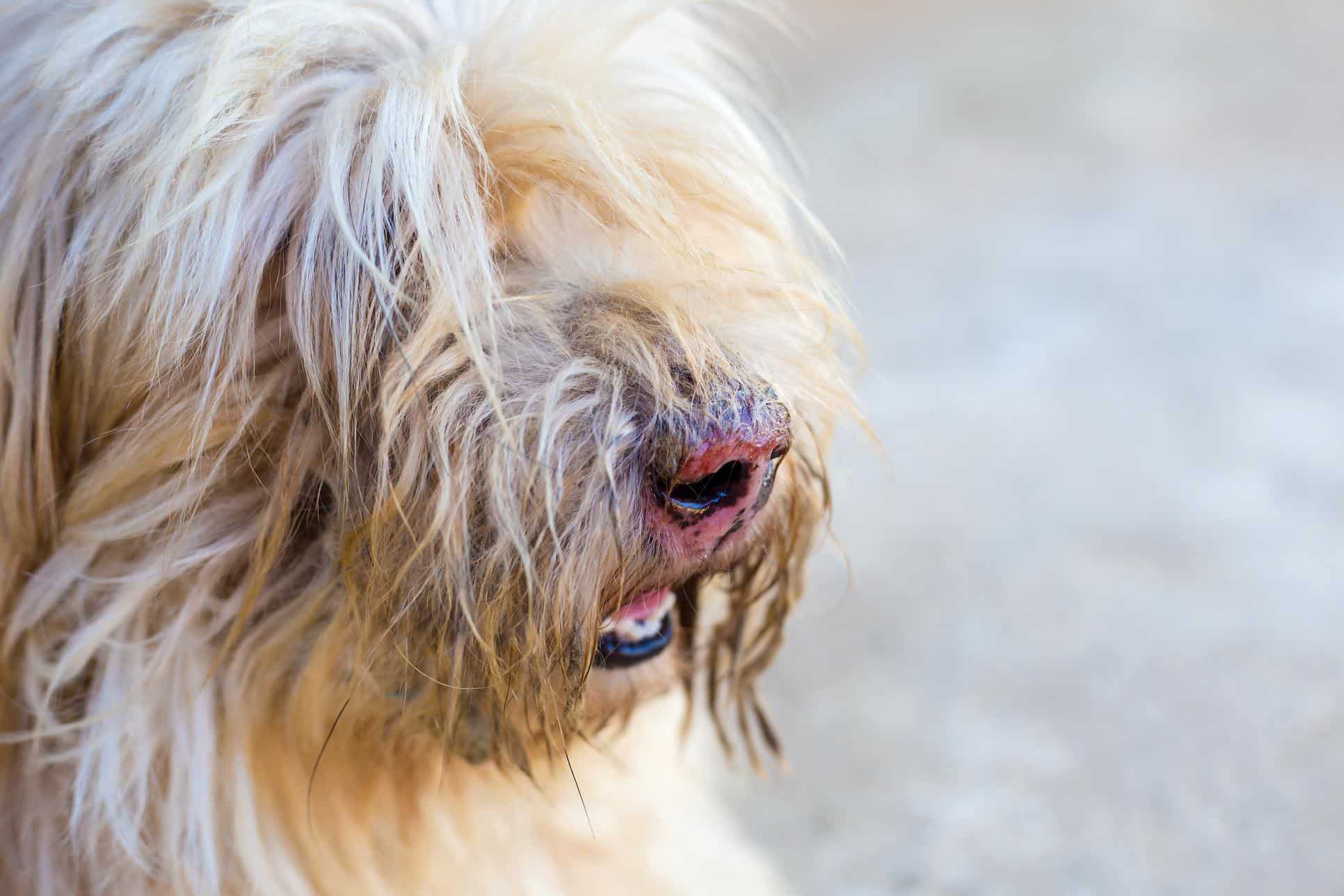
Few sights make a pet parent worry faster than seeing blood at the end of a dog’s nose. A dog nosebleed can happen for several reasons, ranging from minor irritation to conditions that require prompt veterinary care.
The medical term for a nosebleed is epistaxis in dogs, and while a small amount of blood may not indicate a serious problem, an unexplained nosebleed deserves attention, particularly if it is persistent or accompanied by other symptoms.
At Rocklin Ranch Veterinary Hospital & Urgent Care, we can help determine what’s causing the bleeding and what treatment, if any, your dog needs.
Causes of Nosebleeds in Dogs
A dog’s nose contains many tiny blood vessels close to the surface, making it vulnerable to bleeding when irritated or injured.
Causes of nosebleeds in dogs include:
- Trauma or injury
- Irritation from dust, smoke, or other environmental factors
- Foxtail or another foreign object lodged in the nose
- Nasal infections or inflammation
- Dental disease
- Certain medications or toxins
- Conditions (like leptospirosis) that impact blood clotting
- Growths or other diseases affecting nasal passages
What to Do for a Dog Nosebleed
First, stay calm. Do your best to keep your dog quiet and minimize excitement or activity. You can place a cool compress gently over the bridge of the nose for a few minutes, provided it doesn’t interfere with breathing.
Avoid putting tissues, cotton, or other materials inside your dog’s nostrils, and don’t give medications unless your veterinarian specifically recommends them.
If the bleeding stops quickly and your dog seems completely normal, contact your veterinarian for guidance about whether an examination is needed.
When Is a Dog Nosebleed an Emergency?
Seek urgent care if your dog’s nosebleed:
- Is heavy or doesn’t stop
- Keeps returning
- Occurs after significant trauma
- Is accompanied by difficulty breathing
- Occurs along with weakness, collapse, or unusual lethargy
- Is accompanied by bleeding from other areas, such as the gums
- Occurs with unexplained bruising
- May be related to exposure to a toxin
Why Does the Cause Matter?
Stopping the bleeding is only part of the solution. The underlying cause determines what treatment, if any, is necessary. For example, a foreign object may need to be removed, while an infection may require medication. A problem involving blood clotting requires a very different approach.
Keep Calm and Call When Needed
Epistaxis in dogs can be alarming, but knowing what to do can make the situation less frightening. Keep your dog calm, avoid attempting home treatments inside the nose, and contact your veterinarian when the cause is unclear or the bleeding is persistent.
Our team can investigate nosebleeds, and determine the appropriate next step. A nosebleed may seem small, but it can have a bigger story behind it. Please contact us at (916) 624-7387 if you have questions about epistaxis in dogs or if it’s time for your pet’s checkup.