Sudden Lethargy in Dogs: When Low Energy Signals a Medical Problem
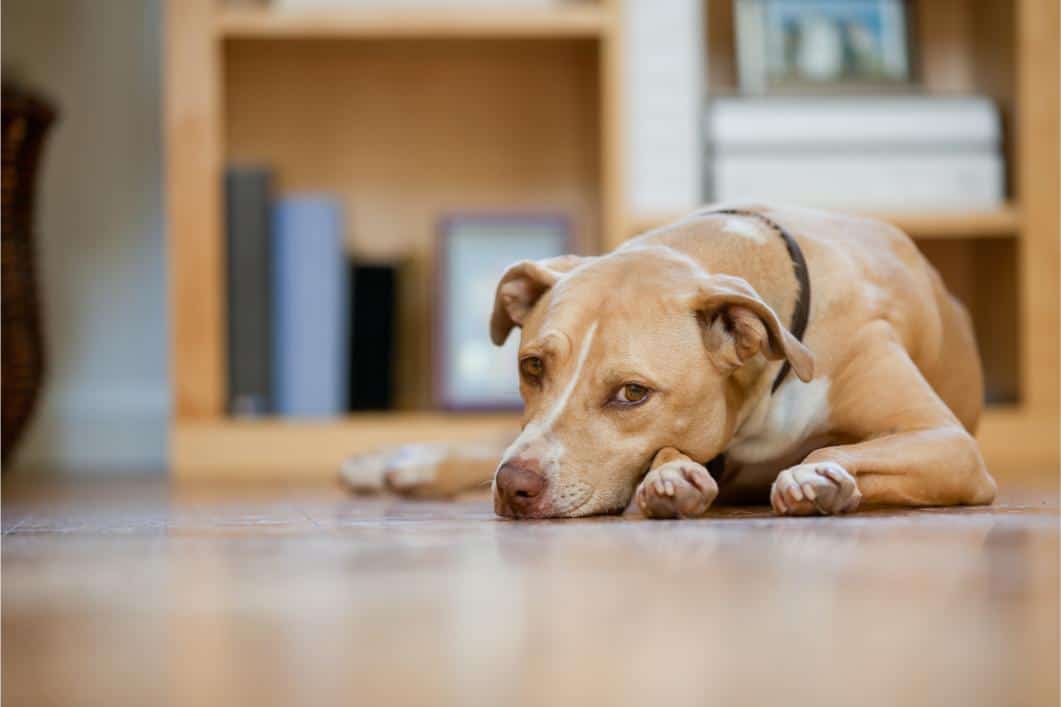
Most dogs have their “off” days. Maybe they skip a zoomie session or take a longer nap than usual. But when your normally energetic companion suddenly seems uninterested in food, play, or even getting off the couch, it’s worth a closer look. At Rocklin Ranch Veterinary Hospital in Rocklin, CA, we often hear from concerned pet owners when their dog becomes lethargic suddenly. In many cases, there’s more going on than simple fatigue.
When “Just Tired” Isn’t So Simple
Dogs can’t tell you when something feels wrong, so changes in energy are often one of the first clues. If your dog seems tired and is not eating, that combination is especially important to pay attention to.
A little rest after a busy day is normal. But lethargy that comes on quickly, lingers, or is accompanied by other changes could indicate an underlying issue that requires medical attention.
Common Causes of Lethargy in Dogs
There are many possible causes of lethargy in dogs, ranging from mild to serious. Some may resolve quickly with treatment, while others require more urgent care.
Here are a few of the most common reasons your dog may seem unusually low on energy:
- Infections, such as bacterial or viral illnesses
- Pain from injury, arthritis, or internal issues
- Digestive problems, including nausea or blockages
- Dehydration or overheating
- Chronic conditions like kidney disease, diabetes, or heart disease
- Exposure to toxins or ingestion of something they shouldn’t have
Each of these can affect your dog’s energy level in different ways, but they all have one thing in common: they shouldn’t be ignored. If your dog isn’t acting like themselves, it’s always worth checking in.
Other Sick Dog Symptoms to Watch For
Lethargy rarely shows up alone. It may signal that your dog is sick, and your veterinarian can help pinpoint the cause.
Keep an eye out for:
- Loss of appetite or refusal to eat
- Vomiting or diarrhea
- Changes in drinking habits
- Difficulty walking or standing
- Labored breathing
- Pale gums or unusual drooling
- Behavioral changes, such as hiding or irritability
These signs may seem unrelated at first, but together, they can provide valuable clues about what’s happening beneath the surface. Noticing even subtle changes early can make a big difference in how quickly your dog gets back to feeling like themselves.
When Should You Call the Vet?
If your dog is simply a little quieter than usual but still eating, drinking, and engaging with you, it may be reasonable to monitor them closely for a day. But if your dog becomes lethargic suddenly, especially alongside other symptoms, it’s time to act.
You should contact your veterinarian right away if your dog:
- Refuses food or water for more than 24 hours
- Shows signs of pain or distress
- Has vomiting, diarrhea, or difficulty breathing
- Appears weak, disoriented, or unsteady
Trust your instincts. You know your dog better than anyone. If something feels off, it’s always better to err on the side of caution. You may find our blog post on recognizing signs of a pet emergency helpful.
Helping Your Dog Get Back to Their Happy Self
Lethargy isn’t a diagnosis—it’s a signal. The good news is that with prompt veterinary care, many underlying causes can be treated effectively, helping your dog return to their usual tail-wagging routine.
At Rocklin Ranch Veterinary Hospital, our team is here to provide compassionate, high-quality care using the latest techniques and a personalized approach for every patient. Whether your dog needs a thorough exam, diagnostic testing, or urgent care, we’re ready to help.
If your dog seems unusually tired or you’re concerned about changes in their behavior, don’t wait. Call Rocklin Ranch Veterinary Hospital at (916) 624-7387 for our Plaza Drive hospital and urgent care location or (916) 624-3322 for our Pacific Street location.