Insect Stings in Pets: When Swelling Requires Veterinary Care
Warm weather in Rocklin brings longer walks, backyard playtime, and, unfortunately, buzzing insects. While many stings are mild, some can lead to significant swelling or more serious complications. At Rocklin Ranch Veterinary Hospital + Urgent Care in Rocklin, CA, we often see pets with sudden swelling after a sting or bite. Knowing what’s normal and when to seek help can make all the difference for your dog or cat.
Common Insect Stings and Bites in Pets
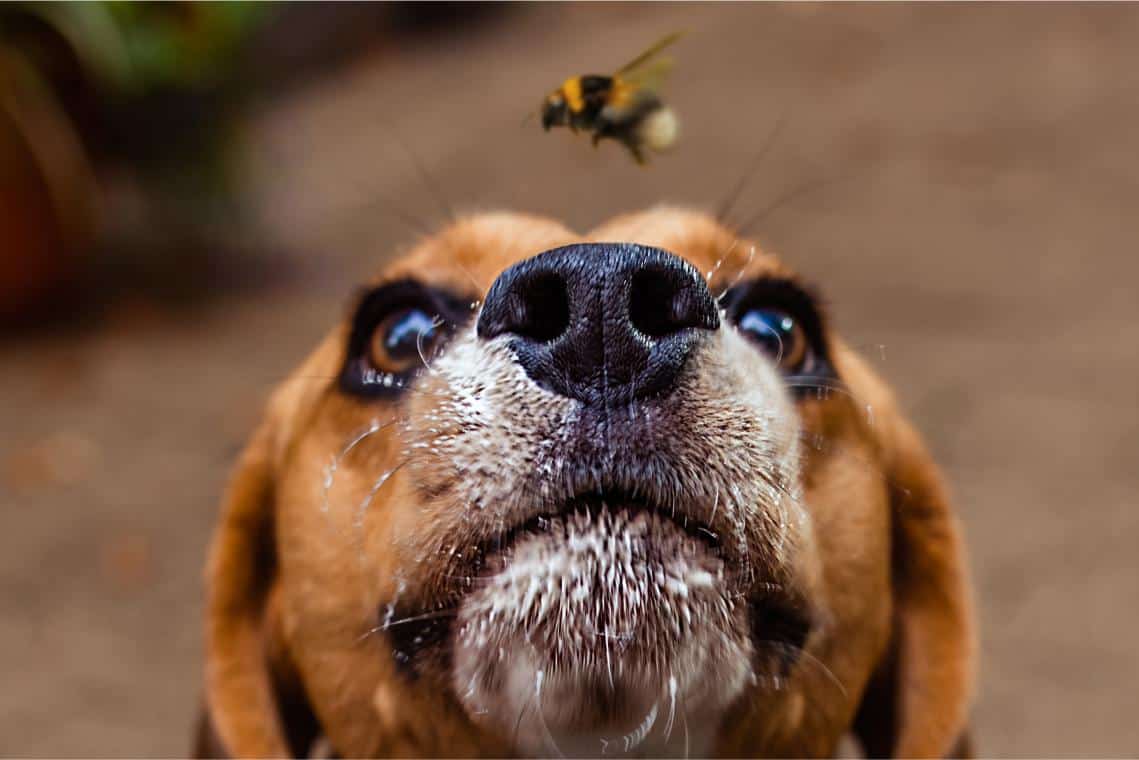
Dogs and cats are naturally curious. They sniff flowers, paw at moving insects, and sometimes try to catch them midair. That curiosity can quickly result in a dog bee sting or a cat insect bite.
The most common culprits include:
- Bees
- Wasps
- Hornets
- Ants
- Spiders
In many cases, a single sting causes localized discomfort. You might notice mild swelling, redness, or your pet licking the area. However, some stings, especially those on the face or inside the mouth, can escalate quickly.
What Mild Swelling Looks Like
A typical sting often causes:
- A small, firm bump at the site
- Mild redness
- Temporary pain or tenderness
- Brief limping if the paw is affected
Most pets remain bright, alert, and interested in food and activity. Mild swelling from a bee sting or insect bite may look dramatic, but it can stay localized and improve within 24 hours.
Even so, it’s important to monitor closely. Swelling can progress, especially in sensitive areas like the muzzle, eyelids, or throat.
When Pet Facial Swelling Is an Emergency
Swelling around the face deserves special attention. Pet facial swelling may start subtly, then worsen over minutes to hours. Because the face contains critical airways and delicate tissues, changes can happen quickly.
Call your veterinarian right away if you notice:
- Rapid swelling of the muzzle, lips, or eyelids
- Hives or raised bumps over the body
- Vomiting or diarrhea
- Excessive drooling
- Weakness or collapse
- Difficulty breathing
These signs may indicate an allergic reaction pets can have after an insect sting. Some reactions are mild, but others can become life-threatening without prompt treatment.
If your pet was stung inside the mouth or throat, swelling can obstruct breathing even without other symptoms. In those cases, immediate veterinary evaluation is critical.
Understanding Allergic Reaction in Pets
An allergic reaction pets experience after a sting is caused by the immune system overreacting to venom. Reactions can vary widely between animals, and even from one exposure to the next.
Signs of a systemic allergic response may include:
- Generalized facial swelling
- Itching and hives
- Pale gums
- Rapid heart rate
- Collapse
Treatment may involve antihistamines, anti-inflammatory medications, injectable therapies, oxygen support, or IV fluids, depending on severity. Quick intervention greatly improves outcomes.
Even if your pet has been stung before without a problem, a future exposure could trigger a stronger response. That unpredictability is one reason we encourage pet owners to err on the side of caution.
What to Do After a Sting
If you suspect your pet has been stung:
- Remove the stinger, if visible, by gently scraping it away
- Apply a cool compress to reduce swelling
- Prevent your pet from scratching or rubbing the area
- Monitor closely for changes in behavior or breathing
Avoid giving any medication unless directed by your veterinarian. Some human medications can be harmful to pets, and correct dosing depends on your pet’s size and health history.
If you’re unsure whether urgent care is needed, call. A quick conversation can help determine whether your pet needs prompt attention.
We’re Here When You Need Us
Insect stings are common, but serious complications are not something to ignore. If your pet develops swelling, seems uncomfortable, or shows any signs of an allergic reaction, contact Rocklin Ranch Veterinary Hospital + Urgent Care right away. Our experienced veterinarians and staff are prepared to evaluate and treat urgent cases with skill and compassion.
For urgent care services, call our Plaza Drive location at (916) 624-7387. For appointments at our Pacific Street hospital, call (916) 624-3322. We’re here to help your pet feel better, quickly and safely.