Congestive Heart Failure (CHF) In Dogs
Hearing the phrase “congestive heart failure” can make any dog parent’s heart skip a beat. It sounds frightening, and it is a serious condition, but understanding what it means, what causes it, and how it’s managed can make the road ahead far less overwhelming. At Rocklin Ranch Veterinary Hospital + Urgent Care in Rocklin, California, we help families every day navigate heart conditions with clarity, compassion, and a plan.
What Is Congestive Heart Failure?
Congestive heart failure (CHF) occurs when the heart can no longer pump blood efficiently. As a result, fluid begins to build up in different parts of the body, most commonly the lungs or abdomen, making it harder for your dog to breathe comfortably or stay active.
Dogs may develop CHF for different reasons. Some are born with congenital defects that affect how their heart forms and functions. Others develop heart problems over time due to age, chronic valve disease, high blood pressure, or complications from illnesses such as heartworm disease.
Whatever the underlying cause, CHF is a condition that requires prompt veterinary care and long-term management.
Early Signs That Something Isn’t Right
Dogs are masters at pretending everything is fine, even when it absolutely isn’t. That’s why it helps to recognize the early warning signs of CHF before the condition becomes advanced.
Some of the most common symptoms include:
- A persistent, soft cough
- Difficulty breathing or increased respiratory effort
- Reduced stamina during exercise
- Restlessness at night
- Poor appetite
- Weight loss or muscle loss
- Fainting or collapsing (in more advanced cases)
These changes tend to appear gradually, which means it’s easy to chalk them up to “getting older.” But if your dog seems winded on short walks, coughs at bedtime, or just feels “off,” it’s worth checking in sooner rather than later.
Common Causes of Congestive Heart Failure in Dogs
CHF can develop for several reasons, and understanding the root cause helps guide treatment. Some of the most frequent contributing factors include:
- Chronic valve disease, especially in small-breed senior dogs
- Dilated cardiomyopathy, seen more often in large breeds
- Congenital defects, such as patent ductus arteriosus or valve malformations
- Heartworm disease, which can injure the heart and pulmonary arteries
- Age-related changes that weaken the heart over time
While we can’t control every risk factor—nobody can turn back the clock, and congenital traits are just part of the genetic hand your dog was dealt—regular veterinary exams dramatically increase early detection.
How Veterinarians Diagnose CHF
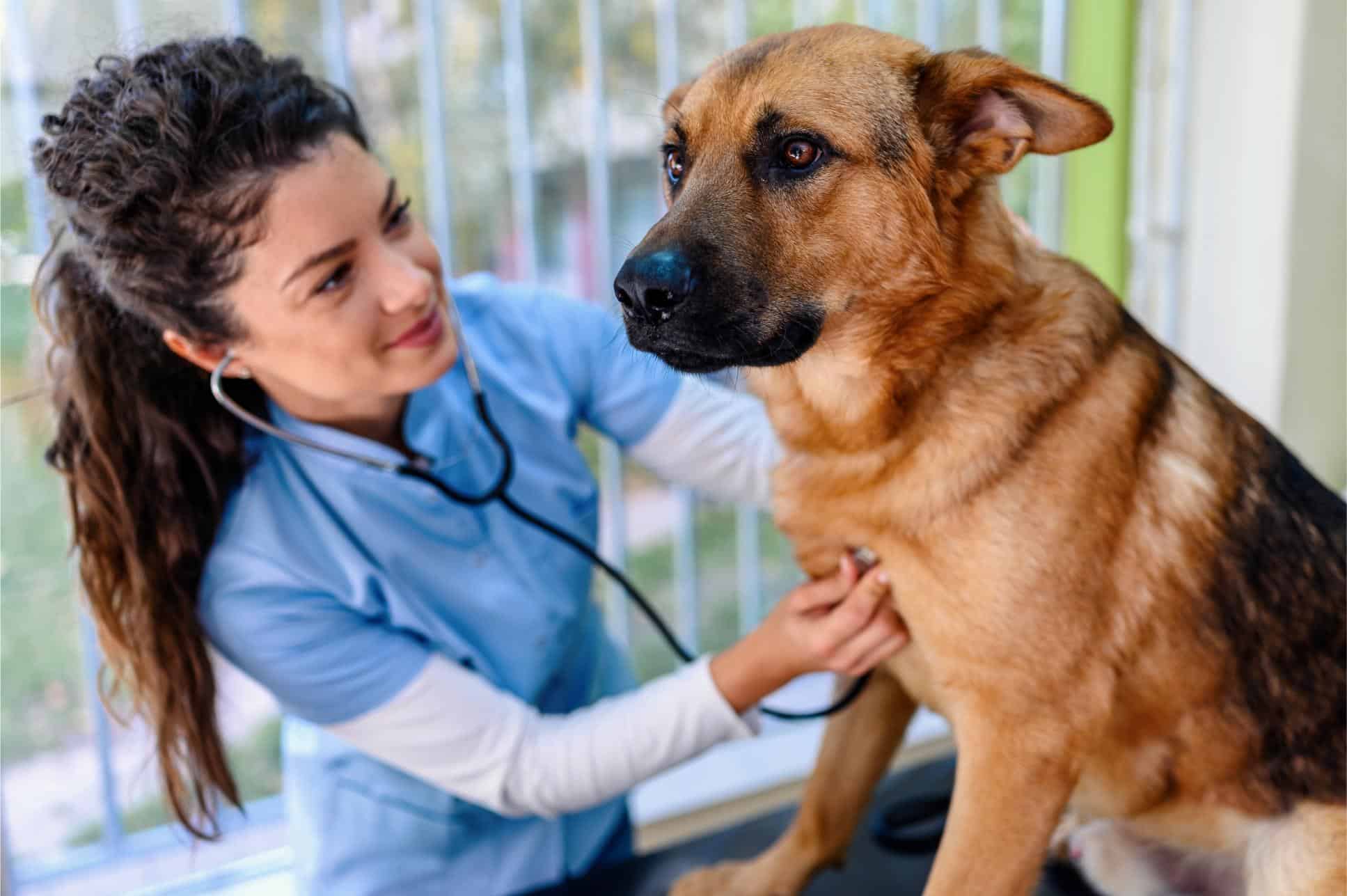
If your veterinarian suspects congestive heart failure, several diagnostic tools help us get a complete picture of your dog’s heart health. These may include:
- Chest X-rays
- Bloodwork
- Heartworm testing
- Electrocardiogram (ECG)
- Echocardiogram (ultrasound of the heart)
Each test provides important clues, helping us confirm the diagnosis and create a treatment plan tailored to your dog’s stage and condition.
Treatment Options and Long-Term Management
While CHF isn’t curable, it is manageable. Many dogs enjoy a good quality of life with the proper care. Treatment typically focuses on improving heart function, reducing fluid buildup, and helping your dog breathe more comfortably.
A treatment plan may include:
- Medications that help the heart pump more efficiently
- Diuretics to remove excess fluid
- Dietary adjustments
- Oxygen therapy during emergencies
- Lifestyle modifications, such as shorter, gentler walks
This combination helps stabilize your dog, slow disease progression, and keep them feeling like themselves for as long as possible.
Supporting Your Dog at Home
Most families want to know what daily life looks like after a CHF diagnosis. In many cases, it’s a predictable, manageable routine that revolves around medication timing, monitoring breathing rates, and helping your dog conserve energy.
Simple daily habits can go a long way in supporting a dog with CHF, including:
- Keeping a calm environment
- Avoiding strenuous activity
- Maintaining a healthy weight
- Monitoring appetite and breathing patterns
Together, these small adjustments can make a meaningful difference.
Helping Your Dog’s Heart Stay Strong
A diagnosis of congestive heart failure can feel heavy, but it doesn’t have to feel hopeless. With early detection, proper management, and ongoing care, many dogs continue enjoying life’s simple joys: sniffing the same tree every morning, curling up in their favorite bed, and announcing the arrival of every delivery truck.
If your dog has been coughing, slowing down, or showing any signs of heart trouble, our team at Rocklin Ranch Veterinary Hospital + Urgent Care is here to support you every step of the way. Call (916) 624-7387 to schedule a wellness visit or heart evaluation today. Your pup’s heart and happiness matter more than ever.