Why Is My Dog Losing Muscle? Age-Related vs. Medical Causes
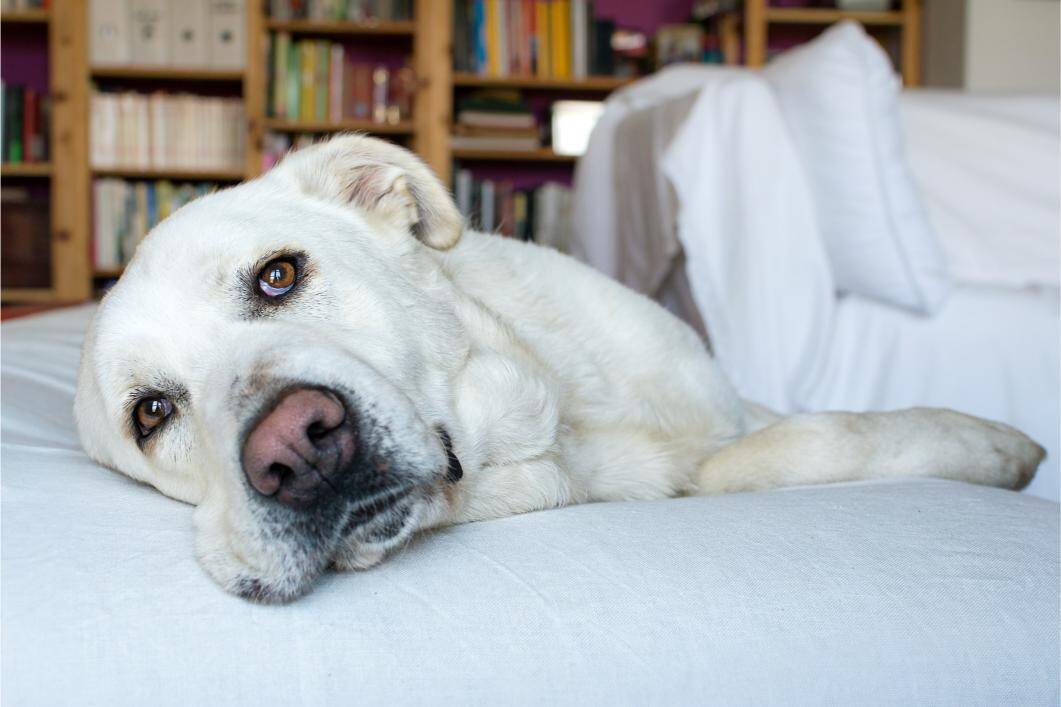
Over time, even small changes in your dog’s strength or muscle tone can catch your attention. Maybe walks don’t have the same energy they once did, or your dog seems a little less steady getting up from rest. Muscle loss in dogs can be a natural part of aging, but it can also signal a medical issue that benefits from early care.
At Rocklin Ranch Veterinary Hospital + Urgent Care in Rocklin, CA, we help pet parents understand what these changes mean and how to support their dog’s comfort and mobility moving forward.
Age-Related Muscle Loss in Dogs
Just like people, dogs naturally lose some muscle mass as they get older. This form of canine muscle atrophy often develops slowly and tends to affect the hind limbs first. You may notice your dog rising more carefully, tiring sooner on walks, or struggling with stairs.
Common contributors to age-related muscle loss include:
- Reduced activity levels
- Joint stiffness or arthritis
- Changes in metabolism and protein absorption
While senior dog weakness can be part of normal aging, it should still be monitored. With proper care, many dogs can maintain strength and mobility well into their later years.
Medical Causes of Dog Muscle Wasting
Not all muscle loss is age-related. When muscle changes appear suddenly, progress quickly, or affect one limb or area more than others, an underlying medical cause may be involved.
Medical conditions associated with muscle loss in dogs can include:
- Neurologic disorders affecting the spine or nerves
- Endocrine diseases such as hypothyroidism or Cushing’s disease
- Chronic pain that limits normal movement
- Inflammatory or immune-mediated conditions
In these cases, dog muscle wasting is often a symptom rather than the primary issue. Identifying the root cause is essential to slowing progression and improving your dog’s overall function.
Signs That Muscle Loss Should Be Evaluated
Muscle changes may occur gradually, which is why they can be easy to miss. Paying attention to subtle shifts in posture, movement, and behavior can provide important clues.
Signs that warrant a veterinary visit include:
- Visible thinning of the thighs, shoulders, or along the spine
- Difficulty standing, jumping, or climbing stairs
- Changes in gait or uneven weight-bearing
- Fatigue during activities your dog previously enjoyed
If these signs appear, especially in combination, an evaluation can help clarify what’s happening beneath the surface.
How Veterinarians Assess Muscle Loss
Determining whether muscle loss is age-related or medical begins with a thorough physical exam and detailed history. Your veterinarian will assess muscle tone, joint mobility, neurologic function, and overall body condition.
Depending on findings, diagnostics may include bloodwork, imaging, or additional testing to look for systemic disease or sources of pain. This comprehensive approach allows your care team to develop a plan tailored to your dog’s specific needs.
Supporting Strength and Mobility Over Time
Once the cause of muscle loss is identified, treatment and management often involve multiple strategies working together. These may include targeted exercise recommendations, nutritional adjustments, pain management, or treatment for underlying conditions.
Even when canine muscle atrophy is an age-related issue, proactive support can help preserve independence and make daily activities more comfortable. Regular wellness visits play an important role in monitoring changes and adjusting care as needed.
When to Schedule a Wellness Visit
If you’re noticing changes in your dog’s strength or mobility, a wellness visit is the best place to start. We’re here to provide compassionate, comprehensive care. To schedule an appointment, call one of our two convenient locations in Rocklin, CA—our Plaza Drive location at (916) 624-7387 or our Pacific Street location at (916) 624-3322.