
Common Cat Tail Injuries
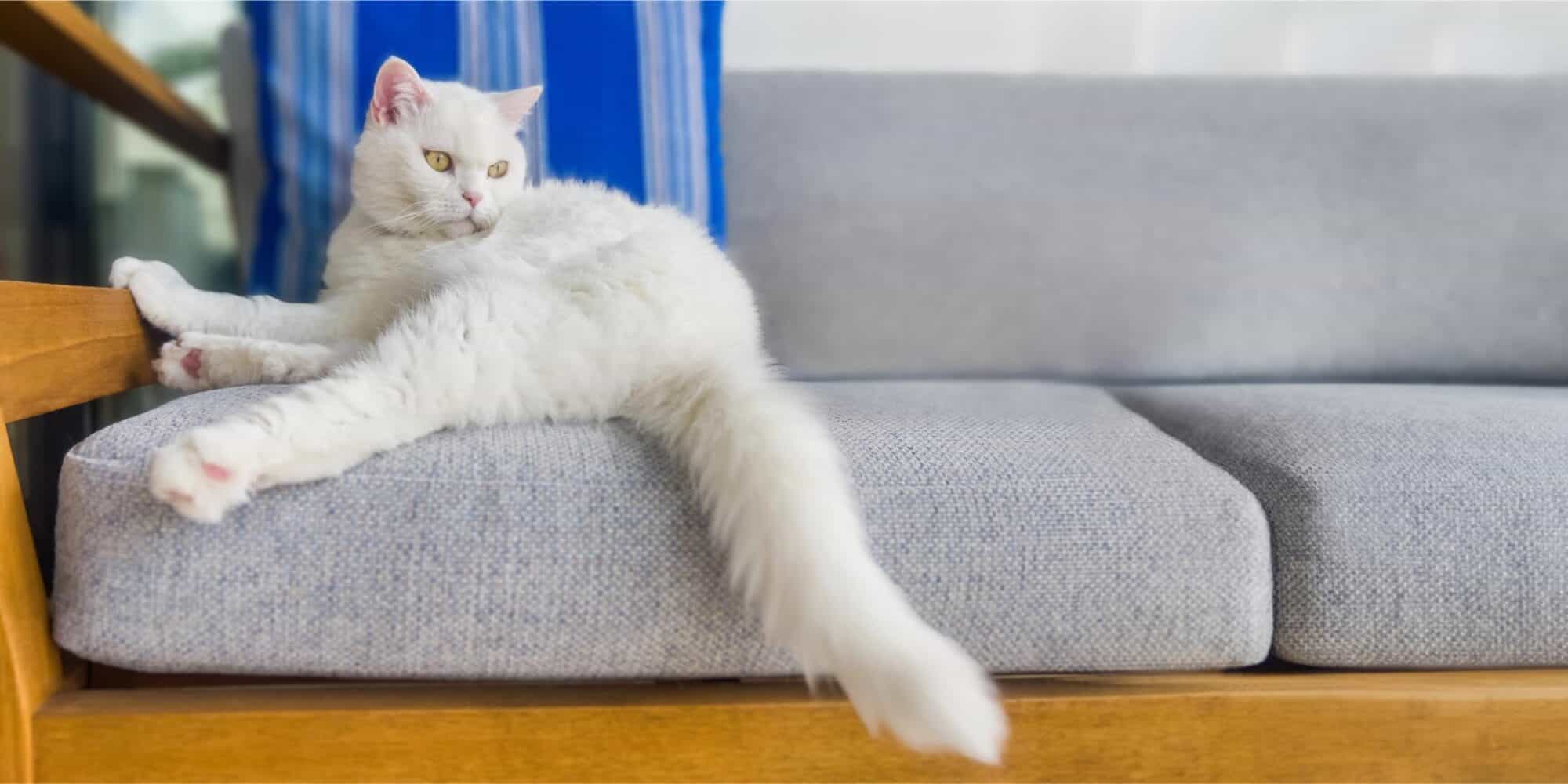
There’s nothing like the feeling of a cat’s tail swishing against your legs, is there? It’s cozy, comforting, and downright lovely. But a cat’s tail is more than a pretty, furry appendage. It offers them balance, helps them move, and even allows them to communicate.
When something happens to your cat’s tail, it’s more than painful for them. It’s also potentially indicative of deeper issues.
Anything from a small scrape to nerve damage requires quick attention to help prevent an infection or a lasting complication for your pet. Here’s what the team at Rocklin Ranch Veterinary Hospital and Urgent Care wants you to know about cat tail injury types, symptoms, and when to seek urgent care.
Scratches, Abrasions and Irritations to the Skin
The most common cat tail injury is minor trauma to the skin. In other words, random scratches caused by catching a door with their tail or coming into contact with another pet’s nails during an impromptu outdoor play (or, err, brawl) session.
These incidents can lead to skin irritation, small wounds, and even hair loss. Although these wounds may seem minor, bacteria from your cat’s mouth and claws can quickly cause an infection.
As for symptoms to look out for, keep an eye out for any redness, swelling, or scabbing along your cat’s tail. If Kitty is spending extra time biting or grooming an area, take a closer look. There might be a scratch they’re trying to help feel better.
What to do for scratches and cuts:
- Clean any minor wounds with a pet-safe antiseptic, like this one from Vetericyn
- Use a medical collar to keep your kitty from licking the area
- Reach out to your veterinarian if you notice any discharge, a growing area of redness, or slow healing
Caring for a wound on your cat’s tail right away helps prevent bacterial infections like abscesses, which happen when puncture wounds quickly seal over and trap bacteria underneath. (And are harder to treat than the original scratch itself!)
Fractures and Dislocations
A cat’s tail contains 18–23 small vertebrae, which gives it remarkable flexibility. However, that same structure also makes the tail vulnerable to injury. Trauma from being stepped on, caught in a door, or hit by a car can easily cause a fracture or dislocation.
Common signs of a broken or dislocated tail include drooping, swelling, or vocalizing when someone touches the tail.
What to do if you suspect a tail fracture or dislocation:
- Seek emergency veterinary attention immediately. Don’t try to straighten or bandage the tail yourself, as this can worsen the injury. Your kitty may need X-rays and treatments like surgery or medication.
The sooner you can get your cat into an urgent or emergency care vet, the better.
Nerve Damage and Tail Pull Injuries
Severe trauma, such as being hit by a car or having the tail forcefully pulled, can damage the nerves where the tail connects to the spine. Vets call this a tail pull injury, and it can lead to serious complications, including loss of bladder and bowel control. (The same nerves control both the tail and your cat’s lower body.)
Symptoms of nerve damage include a limp or paralyzed tail, incontinence or inability to go potty, and loss of sensation in the tail.
What to do for a cat tail pull injury:
- Seek emergency veterinary care. Your kitty will most likely need imaging tests, pain management, and even surgery. Some may need specialized therapies to regain partial or full function of the tail.
Cat Tail Urgent Care in Rocklin, CA
A cat’s tail is an important extension of her spine, so any tail injury should be taken very seriously. The experienced team at Rocklin Ranch Veterinary Hospital and Urgent Care can help treat tail issues—we’re open every day, weekends included.
Call us at (916) 624-7387 if you have any concerns about your kitty’s beautiful tail.