Why Is My Cat Drinking More Water? Early Signs of Kidney or Thyroid Disease
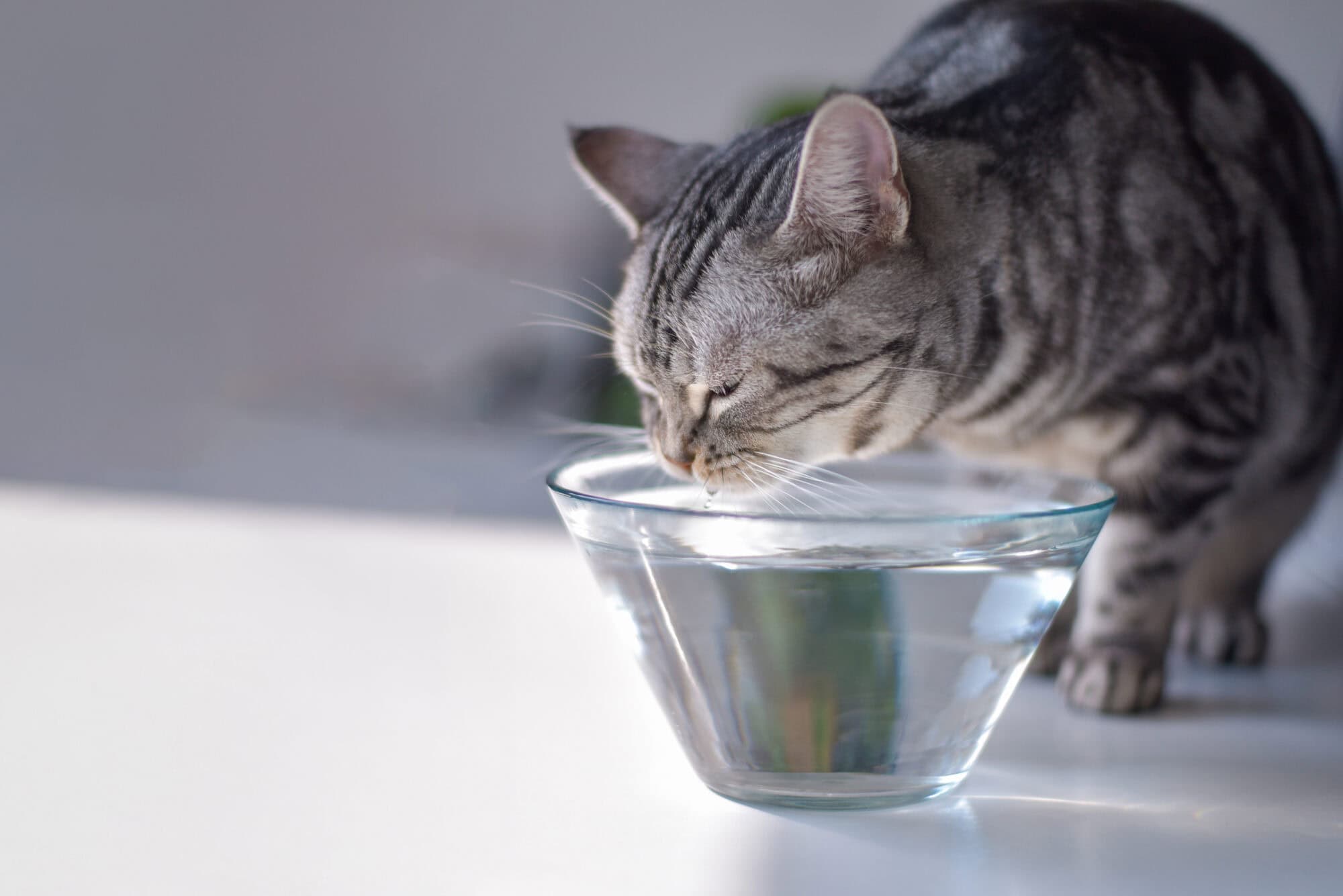
Cats have a way of doing things exactly the same every day, until they don’t. If you’ve caught yourself refilling the water bowl more often and thinking, “Huh, that’s new,” you’re probably onto something. A cat drinking more water can be easy to dismiss, especially when they’re otherwise acting like themselves, but it’s often one of the earliest clues that your cat’s health deserves a closer look.
At Rocklin Ranch Veterinary Hospital, we often see this as an early signal that something more is going on beneath the surface.
Is It Normal for Cats to Drink More Water?
Cats are famously low-key about their health, so changes in drinking habits can be easy to miss. A cat drinking more but acting normal—still eating, playing, and demanding attention— can make it tempting to shrug things off. However, excessive thirst is rarely random.
Some benign factors can temporarily increase thirst, including warmer weather, diet changes, or increased activity. That said, persistent changes usually point to medical causes that deserve a closer look.
Cat Excessive Thirst Causes Worth Knowing
When a cat drinking a lot of water becomes a pattern, veterinarians look for underlying issues that affect how the body regulates fluids. Common reasons for excessive thirst include:
- Chronic kidney disease
- Hyperthyroidism
- Diabetes
- Urinary tract disease
- Certain medications
While this list can sound intimidating, the upside is that many of these conditions are manageable, especially when detected early.
Early Kidney Disease Signs in Cats
Kidney disease is one of the most common reasons cats start drinking more water, particularly as they age. The kidneys play a crucial role in filtering waste and balancing fluids, so when they’re not working efficiently, the body compensates by increasing thirst.
Early kidney disease signs in cats are often subtle and may include:
- Increased water consumption
- Larger or more frequent urine clumps in the litter box
- Mild weight loss
- Decreased grooming or a dull coat
Because these changes can be gradual, routine bloodwork is often the best way to detect kidney issues before symptoms become more obvious.
Hyperthyroidism Symptoms in Cats
Another common cause of increased thirst is hyperthyroidism, a condition caused by an overactive thyroid gland. This disorder speeds up your cat’s metabolism, affecting nearly every organ system.
Common hyperthyroidism symptoms in cats include:
- Drinking and urinating more than usual
- Increased appetite, often with weight loss
- Restlessness or vocalizing more than normal
- Vomiting or diarrhea
Cats with hyperthyroidism often seem energetic or even feisty, which can mask the seriousness of the condition. Early diagnosis makes treatment more straightforward and can significantly improve quality of life.
When “Acting Normal” Still Means It’s Time to Call
Normal behavior doesn’t always mean everything is fine. A cat drinking more but acting normal may simply be in the early stages of a condition that hasn’t fully declared itself yet.
If increased thirst lasts more than a few days or is paired with changes in appetite, weight, or litter box habits, it’s time for a veterinary visit. Diagnostic testing allows your veterinarian to pinpoint the cause and start appropriate treatment sooner rather than later.
How RRVH Can Help
At RRVH, we focus on early detection, compassionate care, and clear communication. Our experienced veterinary team uses up-to-date diagnostics to identify the cause of increased thirst and guide you through the next steps with confidence.
If you’ve noticed your cat drinking more water, don’t wait for more obvious symptoms to appear. Schedule an appointment at one of our two locations: RRVH at Pacific Street at (916) 624-3322 or RRVH + Urgent Care at (916) 624-7387. Early attention can make all the difference in keeping your cat healthy, comfortable, and happily ignoring you—just like a cat should.