What Is Pica in Dogs?
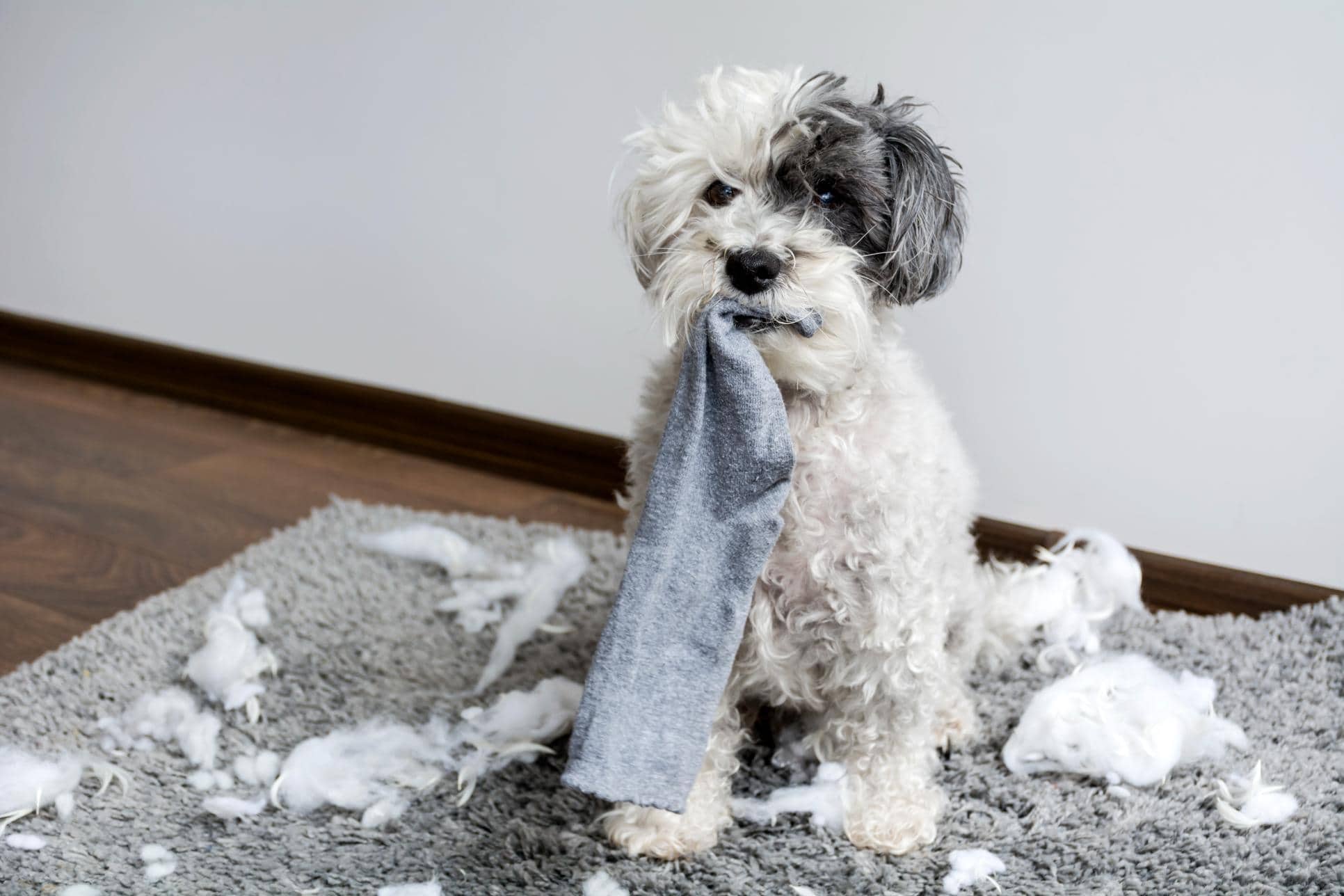
If your dog has ever swallowed a sock, snacked on a rock, or made your hair tie mysteriously disappear, you’re not alone. Dogs explore the world with their mouths—it’s how they learn, play, and sometimes get into a little trouble. But when this curiosity turns into a habit of eating things that aren’t food, it could signal pica, a behavioral and medical condition that causes dogs to crave and consume non-edible objects.
Understanding why pica happens and how to manage it can help protect your pup’s health and peace of mind.
What Causes Pica in Dogs?
Pica can stem from both behavioral and medical factors. On the medical side, nutrient deficiencies, intestinal parasites, diabetes, or thyroid imbalances may cause dogs to eat unusual objects in an attempt to “fill in the gaps” or soothe discomfort.
Behaviorally, stress, boredom, separation anxiety, or lack of mental stimulation can also trigger pica. Some dogs turn to chewing or eating foreign items as a coping mechanism—much like people biting their nails when anxious.
Common non-food items dogs with pica might eat include:
- Rocks
- Towels, socks, and other fabric items
- Paper, tissues, cardboard
- Dirt or sand
- Plastic
- Mulch or sticks
Symptoms and Dangers of Pica
Aside from catching your dog in the act, here are some signs that can point to pica:
- Vomiting
- Loss of appetite
- Excessive drooling
- Abdominal pain
- Constipation
- Lethargy
Swallowing non-food items poses serious (and sometimes life-threatening) risks that require emergency care, including intestinal blockages, choking, damage to your dog’s teeth, and poisoning. So contact your veterinarian right away if your dog ingests something inedible or shows any concerning symptoms.
Diagnosing and Treating Pica
When you bring your dog to the vet, a thorough examination and diagnostic testing, including bloodwork, stool tests, or X-rays, can help determine the underlying cause of your dog’s symptoms.
If nutrient deficiencies or metabolic issues are to blame, dietary changes or supplements may correct the behavior once the imbalance is resolved.
If pica stems from stress or behavioral triggers, your veterinarian may recommend structured exercise routines, enrichment activities, training, or even consultation with a veterinary behaviorist. In some cases, anxiety-reducing medications or pheromone products can also help.
Preventing Pica and Protecting Your Pup
You can help prevent pica by creating a stimulating, low-stress environment for your dog. Try these simple strategies:
- Provide safe chew toys and regular playtime.
- Feed a balanced diet recommended by your veterinarian.
- Keep non-food items and trash out of reach.
- Use puzzle feeders to challenge your dog mentally.
- Address anxiety or boredom with consistent routines and attention.
When to Call the Vet
If your dog’s pica behavior is new, frequent, or accompanied by vomiting or lethargy, it’s time for a check-up. The compassionate team at Rocklin Ranch Veterinary Hospital and Urgent Care can help you better understand this behavioral and medical condition and provide safe, effective treatment options. Contact us today at (916) 624-7387.